Global Knowledge Production and Academic (Semi)Peripheries
Coordination: dr Ivan Kislenko & dr hab. Krystian Szadkowski
Past seminars
SCRG happily invites you to the sixth seminar in a new season of our series on academic (semi)peripheries. Our featured speaker will be Fernanda Beigel, who will give a talk entitled: Cartographies for Inclusive Open Science: Research ‘Excellence’ Under Scrutiny.
Thursday, 26th of March 2026 at 14:00 CET
Abstract:
The globalization of a model of external accreditation of the universities during the 1990s generated the proliferation of research incentive systems that gradually universalized a set of indicators of “academic excellence” (Bianco et al., 2016). To a large extent, this occurred because the idea of research quality became attached to the “impact” of the journals and disassociated from the individual contribution of each researcher in a given paper, report or book. The Impact Factor, university rankings, and the growing marketization of scientific publishing completed this movement by defining hierarchies among universities and scholars. Kraemer-Mbula et al. (2020) argue that “excellence” is a normative concept that implies that selecting the “best” proposals or researchers through a single quantitative ranking. Quality, in contrast, resists quantifications. We don’t know of the existence of rankings of “originality” or indexes of “rigorousness”. Excellence implies an evaluation by comparison because it is a competition for research funding, for a position for which publications in the best journals or other types of resources are required. Not surprisingly, excellence is understood to be developed only in elite science. Those “best” researchers are not only masters in specialized fields but are taken for granted to be creative and original, hence prestigious. This standardized paradigm of excellence, supposedly global, is problematic for evaluating research produced in the countries of the South because that is not where these standards originated and, therefore, they have a part of strangeness and another part of the “must be” that researchers themselves consider a goal. These asymmetries have been reinforced by the commercialization of scholarly publishing and scientific information. The feasibility of a real change is ultimately linked to creating new open digital infrastructures and a radical change in research assessment. This conference will show the advances and current challenges of an inclusive open science.
 Fernanda Beigel is a Sociologist and PhD in Political and Social Sciences who pursued her postdoctoral studies at the Centre de Sociologie Européenne (EHESS, Paris). Chair of the Advisory Committee for Open Science at UNESCO (2020-2021) and Chair of the Argentinian National Committee for Open Science (2020-2023). Senior Advisor of the Latin American Forum on Research Evaluation (FOLEC-CLACSO). Bernardo Houssay Prize (2003), CLACSO Essay Award (2004), Mention of Honour to Scientific Value-Argentine National Senate (2017). Currently she is Superior Researcher at the National Council of Scientific and Technical Research (CONICET, Argentina), Head Professor at the National University of Cuyo (UNCuyo) and the Director of the Research Center on the International Circulation of Knowledge (CECIC).
SCRG happily invites you to the fifteenth seminar in a new season of our series on academic (semi)peripheries. Our featured speaker will be Franciszek Krawczyk, who will give a talk entitled: Who is (semi)peripheral in the comparative higher education? The case of the University of Warsaw and Trinity College Dublin.
Thursday, 26th of February 2026 at 14:00 CET
Abstract:
This talk will explore how the concept of centre, periphery, and semi-periphery can be applied in the concrete comparative study of international higher education. It will reveal two very different ways of applying those concepts, following distinct theoretical traditions: the study of centres and peripheries developed by sociologist Joseph Ben-David and world-system analysis developed by Immanuel Wallerstein. The presented study uses a multi-method approach, combining a historical comparison via secondary source analysis, a bibliometric analysis using Scopus and major rankings, and a qualitative analysis of social media posts supplemented by 11 interviews in both institutions. Presenting how the two different traditions of understanding centre/periphery division apply those concepts differently will help to see that when Ben-David’s understanding encourages increased competition, Wallerstein’s world-system theory aims to facilitate international solidarity in anti-capitalist struggles.
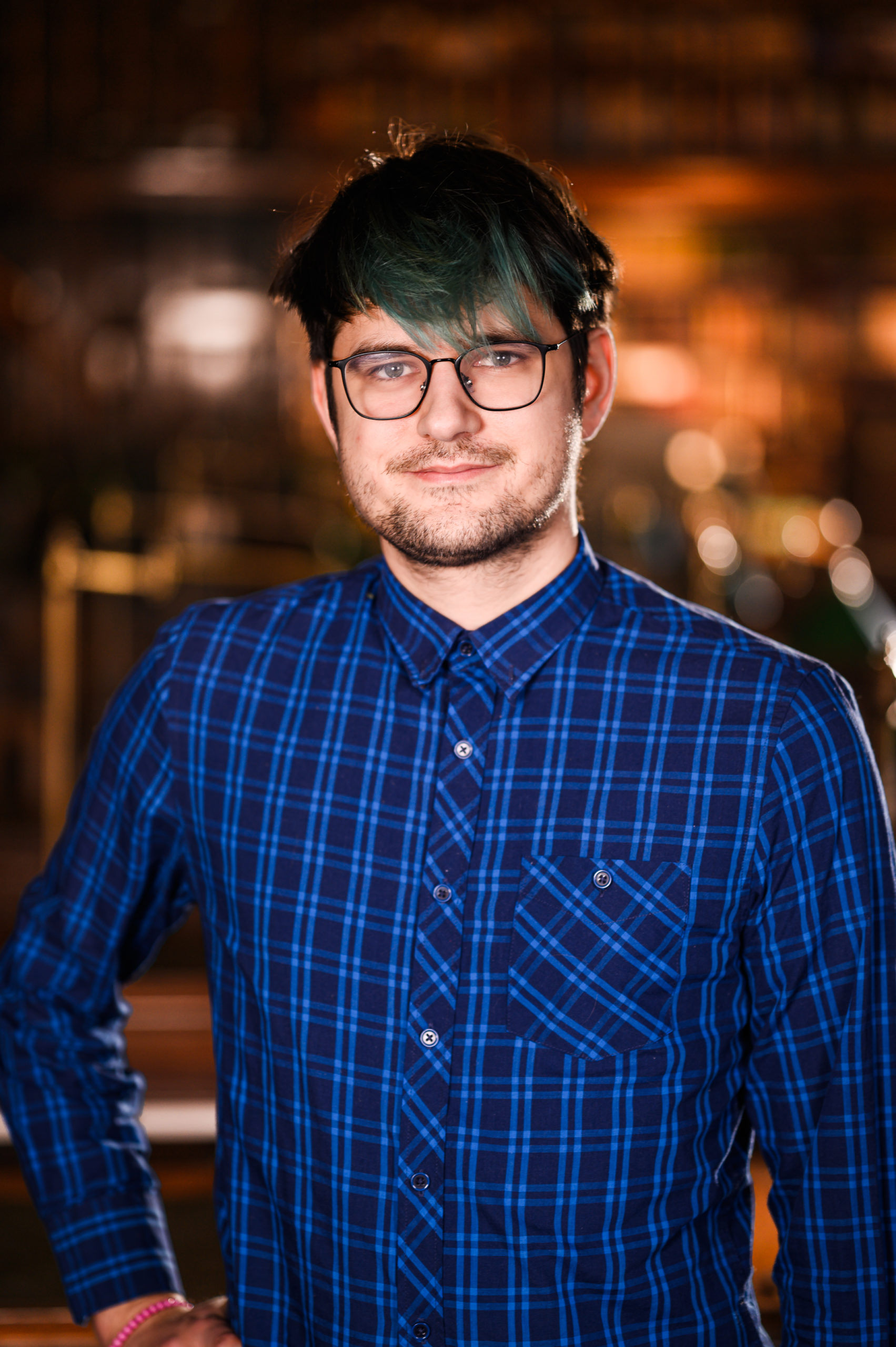 Franciszek Krawczyk is a part-time research assistant in the Scholarly Communication Research Group of Adam Mickiewicz University. Currently, he is conducting his postdoc project Is Trinity College Dublin semi-peripheral? Study of two conflicting traditions of writing about centre and peripheries in Dublin. He recently wrote a PhD thesis in philosophy, Science without centre? Resistance against the domination of the centre in academic peripheries, where he contributes to a reinterpretation of world-system analysis as focused on strategies of resistance rather than on mechanisms of domination. His research interests are geography of knowledge, history of academic publishing, predatory journals, world-system analysis, sociology of science.
SCRG happily invites you to the fourteenth seminar in a new season of our series on academic (semi)peripheries. Our featured speaker will be Julian Go, who will give a talk entitled: Anti-colonial Social Thought and Social Theory.
Thursday, 8th of January 2025 at 14:00 CET
Abstract:
As social scientists explore alternative theoretical frameworks to the conventional Eurocentric canon, they have turned to a number of sources, from “Southern Theory” to “decolonial thought” to “non-Western perspectives” or “indigenous” perspectives. This talk argues against ‘geoepistemic essentialism’ and suggests that anti-colonial thought should be considered as a rich resource for social theorizing. Discussing mostly 20th century anticolonial writers, thinkers and movements, it shows that as colonized peoples critiqued empire and colonialism, they also generated alternative sociological imaginations that deserve attention.
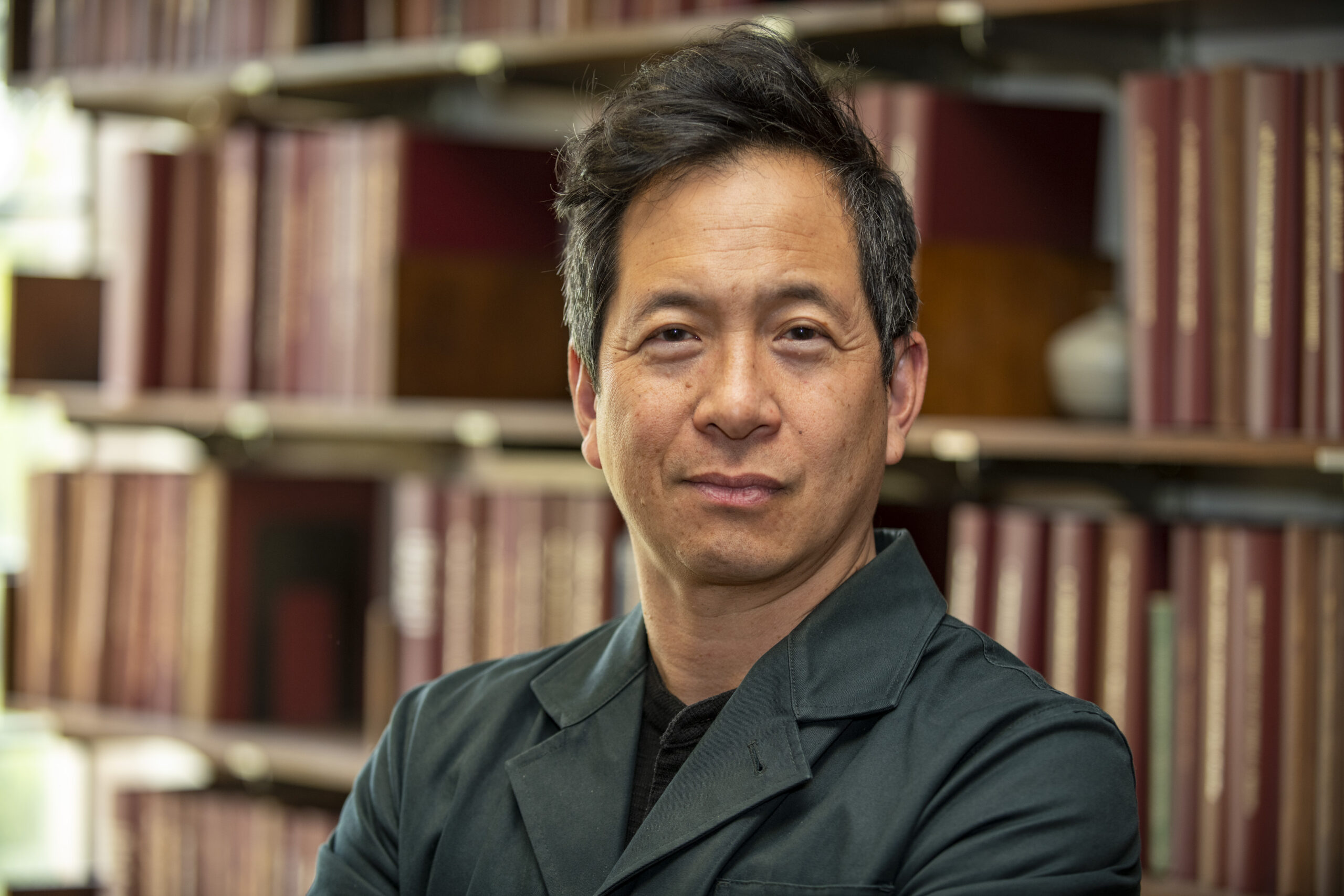 Julian Go is a Professor at Chicago Center for Contemporary Theory and Faculty Affiliate at Center for the Study of Race, Politics & Culture and the Committee on International Relations, The University of Chicago.
SCRG happily invites you to the twelfth seminar in a new season of our series on academic (semi)peripheries. Our featured speaker will be João Marcelo E. Maia, who will give a talk entitled: Theorizing the ‘peripheral effect’ in the social sciences.
Thursday, 4th of December 2025 at 14:00 CET
Abstract:
The aim of this chapter is to provide an answer to one of the main problems in the current debate on the geopolitics of knowledge production: how to connect macrostructural variables such as the centre-periphery divisions to the explanation of concrete intellectual practices in the semi-peripheries? The chapter will have a threefold structure: first, it will engage with current studies on the inequalities that shape knowledge production in the global social sciences (Connell, 2007; Medina, 2013; Heilbron, 2014; Keim, 2008; 2011) to discuss whether this scholarship analyses practices of intellectual creativity in the global semi-peripheries; second, it will explore case studies from current scholarship in the subfield of the history of sociology to discuss how knowledge practices in the peripheries may range from simple ‘imitation’ of foreign models to full theoretical reinvention of methods, concepts and theories; in the last section, it will present a model based on the theory of collective subjectivities (Domingues, 1995; 2000) to explain the sociological mechanisms that may account for the different forms of knowledge circulation connecting centres and peripheries.
 João Maia is an associate professor of Sociology in the School of Social Sciences (CPDOC) at Fundação Getulio Vargas, Rio de Janeiro, Brazil. He is currently serving as one of the vice-presidents of the Research Committee on the History of Sociology (RC08) in the International Sociological Association (ISA) and as the chief-editor of the Brazilian Journal of the Social Sciences (RBCS). His main research interests are the history of sociology, the sociology of intellectuals and the history of Latin American sociology.
SCRG happily invites you to the eleventh seminar in a new season of our series on academic (semi)peripheries. Our featured speaker will be Pablo Kreimer, who will give a talk entitled: Constructivist Paradoxes. Latin American STS, between Centers and Peripheries.
Thursday, 26th of November 2025 at 14:00 CET
Abstract:
My starting point is the identification of ‘failures’ in the modern development of STS, where situated knowledge was conceived in an extremely asymmetrical manner. I will then illustrate how these studies predominantly focus on one part of the world: the most developed countries, precisely where modern science, often referred to as ‘Western science’, originated. We will argue that core science does not require justification as it does not appear to be ‘situated’ science. Peripheral science, however, does. My presentation aims to discuss the construction of a double (or even triple) peripheral situation, calling into question the old principles of symmetry and impartiality. These peripheral situations refer to: a) the peripheral nature of the analysed objects (i.e. science and scientific development outside of Euro-America); b) the peripheral situation of the communities of specialists dedicated to studying these objects; and c) The validity of the theoretical frameworks and methodologies that emerge from studying these objects in their respective contexts. Finally, I will analyse research agendas in various contexts, paying closer attention to the case of Latin America. I will conclude by proposing ways to change the situation of triple peripherality.
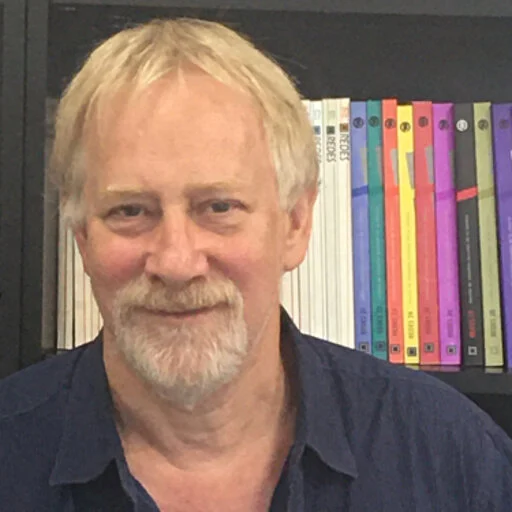 Pablo Kreimer is a sociologist with a Ph.D. in “Science, Technology, and Society” (STS Center, Paris). He is a Senior Investigator at the National Research Council of Argentina (CONICET), Director of the STS Center at Maimónides University, Buenos Aires, and Full Professor at the National University of Quilmes. He is specialized in political sociology of science with a focus on the historical dynamics of scientific fields, internationalization of research, relations between production and use of scientific research and coproduction of knowledge between central and peripheral contexts. Pablo was awarded with the “Varsavsky Prize” (2021) for his outstanding contribution to STS field in Latin America.
SCRG happily invites you to the tenth seminar in a new season of our series on academic (semi)peripheries. Our featured speaker will be Göran Therborn, who will give a talk entitled: Class, Science, and the World.
Thursday, 23rd of October 2025 at 14:00 CET
Abstract:
Starting out from his internationally renowned PhD thesis, Science, Class, and Society (1974/76) on the formation of economics, sociology, and historical materialism, Therborn reflects, 50 years later, on the problematic of Marxism and science, on the contemporary relevance of class, and on the challenges of developing global and planetary social science and scholarship. Science, Class and Society is the first systematic attempt to compare classical sociology and historical materialism–the respective and rival traditions founded by Comte, Durkheim, Weber and Pareto on the one hand, and Man and Engels on the other. Therbom starts with a critique of four major recent ‘self-reflective’ accounts of sociology from within the modem discipline itself – those of Talcott Parsons, Wright Mills, Alvin Gouldner and Robert Friedrichs. He then turns to the history of the discipline which preceded sociology – the emergent ‘economics’ in the age of Enlightenment, and furnishes a compelling account of its material and social background, from Smith and Ricardo to Jevons to Keynes. Situated against the ascent of classical economics, sociology is interpreted as the product of a subsequent ‘age between two revolutions’ – a system of thought that emerged in the aftermath of the French Revolution, and matured on the eve of the proletarian revolution in Russia, in the work of Durkheim, Weber and the ‘elite theorists’ from Michels to Pareto. The purpose of the new discipline of sociology, Therbom argues, was to cope with the increasing problems of class conflict and industrial unrest in Europe as the 19th century progressed towards its hour of reckoning in the First World War. Therborn locates the major intellectual achievement of this tradition in the discovery of what he calls the ‘ideological community’ as an object of legitimate scientific enquiry, comparable with the ‘market’ of classical economics. In doing so, he throws new light on the work of Durkheim and Weber in particular. The book ends with an analysis of the conditions of formation—social and theoretical–of Marxism itself. Written in an urbane and lively style, Science, Class and Society promises to become a classic for sociology students and readers, socialist and non-socialist alike.
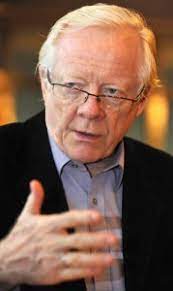 Göran Therborn, Swedish by origin, he has worked on all inhabited continents, and ended up Professor of Sociology at the University of Cambridge. He has published about 35 books, including From Marxism to Postmarxism, The World: A Beginners Guide and The Killing Fields of Inequality.
SCRG happily invites you to the ninth seminar in a new season of our series on academic (semi)peripheries. Our featured speaker will be Sujata Patel, who will give a talk entitled: The history of sociology in India through the lens of the peripheral gaze.
Thursday, 2nd of October 2025 at 14:00 CET
Abstract:
This presentation contends that the assumptions governing the social sciences in India were enmeshed in anti-colonial social thought that emerged in India and other parts of Asia and Africa as anti-colonial nationalism. I have argued earlier that anti-colonial social thought which has a 200-year or more history has promoted the peripheral gaze-a set of ontological-epistemological assumptions around which new scholarship developed within post-colonial nation-states. Today it has matured to contain the following attributes: 1) a rejection of late 19th century Eurocentric scientific claim to produce timeless perspectives enmeshed in Orientalist-Eurocentric positions; 2) a commitment to investigate the complex histories and current relations of power in which they are themselves situated; 3) a recognition that knowledge has to produced not for its own sake but in the name of local/regional and national emancipatory ideas and utopias; 4) a need to be reflexive, subjecting its own viewpoint to scrutiny; and 5) the promotion of interdisciplinarity. In this presentation, I ask how sociology in India confronted colonial Orientalist-Eurocentric perspectives in order to articulate an alternative perspective based on an assessment of current relations of power. This is a historical question and my analysis draws from the methodological interventions made within historical sociology and sociology of knowledge. Sociology is at a crossroads in India. Can the peripheral gaze sustain itself in this context?
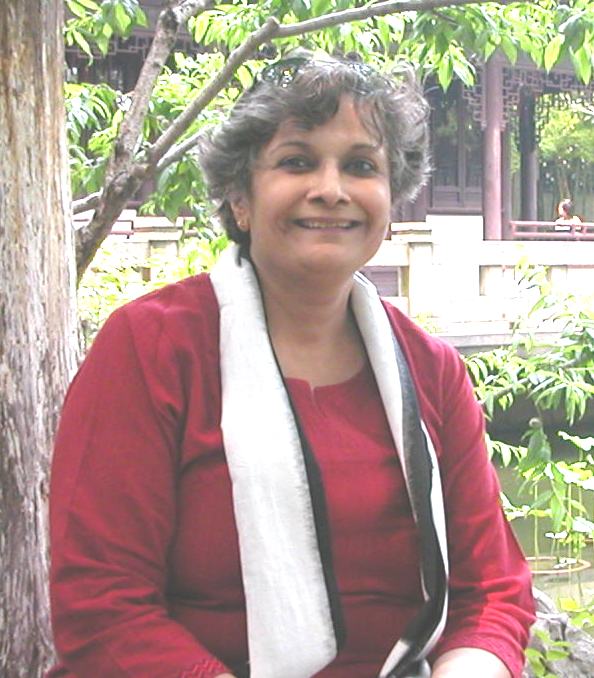 Sujata Patel has been the 2021 Kerstin Hesselgren Visiting Professor, Umea University, Sweden; Distinguished Professor, Savitribai Phule Pune University; National Fellow at the Indian Institute of Advanced Studies, Shimla and a teacher of sociology at the Universities of Hyderabad, Pune and SNDT Women’s University. She works on modernity and global social theory, anti-colonial social theory and its history; urbanization and city-formation, gender construction and class and caste formation.
SCRG happily invites you to the seventh seminar in a new season of our series on academic (semi)peripheries. Our featured speaker will be George Steinmetz, who will give a talk entitled: Marginality, Domination, and Strangeness in Social Science.
Thursday, 4th of September 2025 at 14:00 CET
Abstract:
There are two main understandings of marginality in social science. In the first, marginality is defined as an in-betweenness that can give rise to creative innovation as well as deviant behavior. In the second, marginality refers to forms of exclusion, stigmatization, and impoverishment. In this paper I link these discussions to sociological field theory, arguing that we can distinguish between impoverishment measured in terms of field-specific symbolic capital and marginality in social space, i.e. marginality qua poverty. Cultural fields are never completely isolated from the dynamics of domination, exploitation, and exclusion that structure social space. Intellectual marginality may result from forces internal and external to a field or to the interaction between these two. Intellectual marginality takes different forms depending on the relative weight and forms of these different sources. The results of marginalization also depend on accidents and the strategies of the marginalized. I discuss the strategies used by Georg Simmel to counteract his own marginalization and to develop a unique oeuvre. Other sociologists, including Albert Memmi and Orlando Patterson, participated in both the literary and sociological fields, providing them with alternative sources of recognition. By contrast, the French colonial sociologist Marcel Soret responded to his own field-specific marginalization by stubbornly adopting scientific positions that the rest of the discipline regarded as outmoded, thereby deepening his own marginalization. In the last part of the paper I examine the career of the Togolese sociologist François N’Sougan Agblémagnon, whose career moved from de-marginalization to re-marginalization. Agblémagnon started his sociological career in the late 1950s by aligning himself with the most avant-garde social scientific positions at the time and rejecting disciplinary specialization. The uniqueness of his early sociological voice stemmed from his involvement in both the sociological field and Africanist ventures like Présence africaine. However, his growing administrative and political commitments led to his intellectual re-marginalization and the end of innovation in his writing.
 George Steinmetz is Charles Tilly Collegiate Professor of Sociology at the University of Michigan, Ann Arbor, United States.
SCRG happily invites you to the sixth seminar in a new season of our series on academic (semi)peripheries. Our featured speaker will be Lucía Céspedes, who will give a talk entitled: The Tower and the Library: the Role of Infrastructures in the Circulation and Discoverability of Non-Anglophone Scholarly Publications.
Thursday, 26th of June 2025 at 14:00 CET
Abstract:
Both Clarivate’s Web of Science (WoS) and Elsevier’s Scopus have been for decades the main sources of bibliometric information. While carefully curated, these proprietary, closed databases are largely biased towards publications in English, underestimating the use and relevance of other languages in the communication of scientific research. Other platforms, hailed as alternatives, also offer comprehensive, inclusive, and free-to-use data. However, they are often plagued by metadata quality and indexation issues. In this essay, I discuss the role of infrastructures such as OpenAlex, Open Journal Systems (OJS) or the Directory of Open Access Journals (DOAJ) in promoting a truly multilingual and bibliodiverse scholarly publication ecosystem. I make use of the metaphors of the Tower (as centralized, vertical, monolingual) vis à vis the Library (as decentralized, horizontal, multilingual) to compare and contrast governance and design approaches to infrastructures that act as either conditions of possibility or barriers to the inclusion of languages other than English in the “grand conversation of science”.
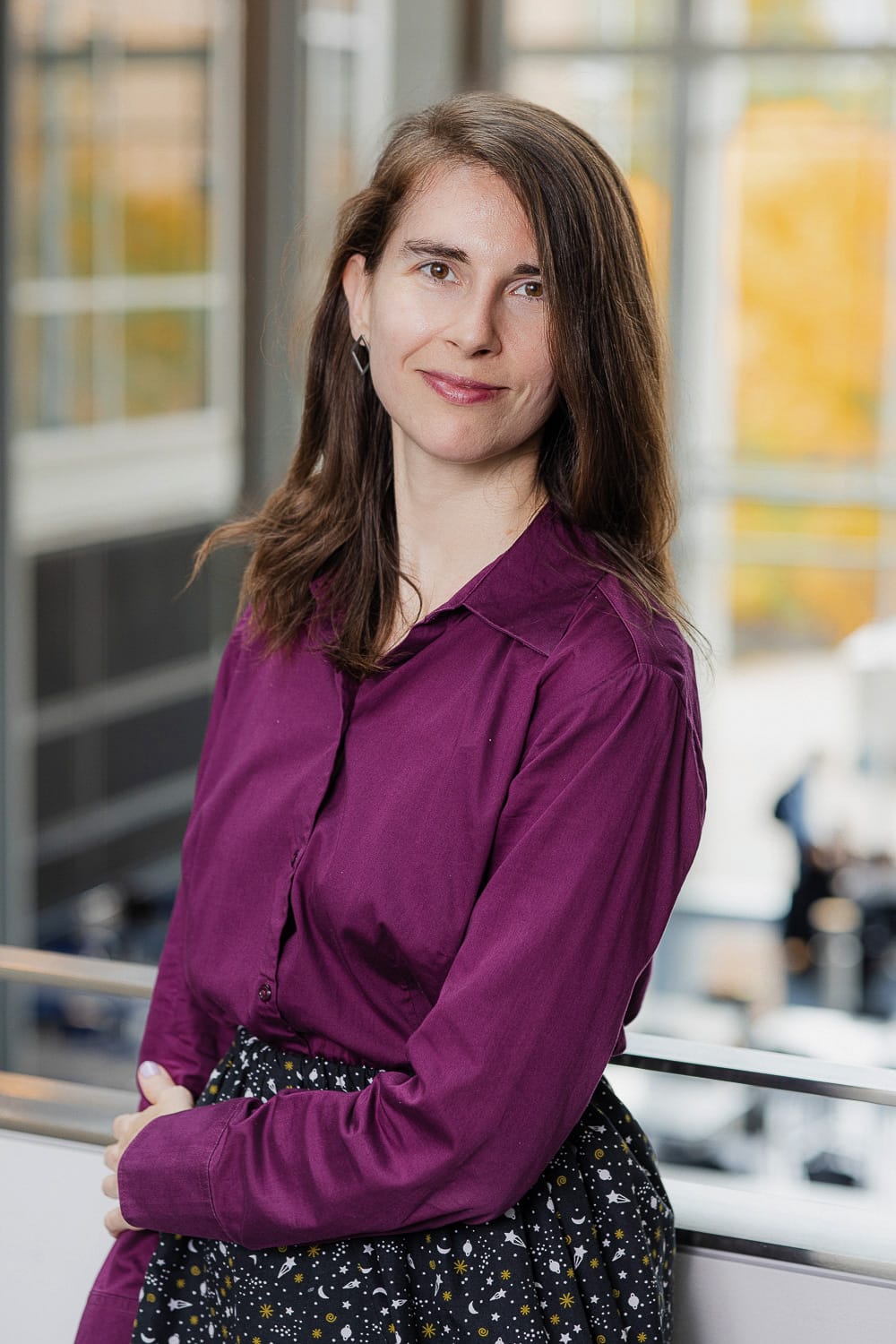 Lucía Céspedes holds a PhD in Latin American Social Studies from the Universidad Nacional de Córdoba, Argentina. She is currently based in Montréal, where she works as research counsellor at the editorial consortium Érudit, and is a member of the UNESCO Chair on Open Science (École de bibliometrie et sciences de l’information, Université de Montréal) and the Chaire de recherche du Québec sur la découvrabilité des contenus scientifiques en français. Lucía’s research brings together sociolinguistics, social studies of science and technology, and scholarly communication, in order to analyze conditions of production, circulation, and openness of scientific knowledge in centres and peripheries.
SCRG happily invites you to the fifth seminar in a new season of our series on academic (semi)peripheries. Our featured speaker will be Franciszek Krawczyk, who will give a talk entitled: Developing Oligopolies Through Hegemonic Cycles: Methodological Challenges of World-System Analysis of Scholarly Communication.
Thursday, 19th of June 2025 at 14:00 CET
Abstract:
This paper formulates methodological guidelines for applying world-systems analysis to the study of scholarly communication. It begins by examining the influence of two XX century sociologists, Edward Shils and Joseph Ben-David, on mainstream conceptualizations of centres and peripheries, particularly in relation to citation inequalities, in science and higher education studies. Tracing the limits of such theoretisations of centre-peripheries dynamics, it then argues that a world-systems perspective invites a reinterpretation of transformations in scholarly communication infrastructure through the lens of the economic history of publishing. The paper proposes a model for interpreting the contemporary oligopoly of academic publishers in terms of the hegemonic cycles of the world-system. The paper concluded with discussion of historical examples illustrating how this process of oligopolization contributed to the peripheralization of academic publishing during the capitalist transformation of 1990s in Poland.
Franciszek Krawczyk, PhD is a part-time research assistant in the Scholarly Communication Research Group of Adam Mickiewicz University. Currently, he is conducting his postdoc project Is Trinity College Dublin semi-peripheral? Study of two conflicting traditions of writing about centre and peripheries in Dublin. He is also engaged in the project Origins and development of the peripheral academic capitalism in Poland (1990-2021) and preparing an application for an original project about the history of Polish academic publishing. He recently wrote a PhD thesis in philosophy, Science without centre? Resistance against the domination of the centre in academic peripheries, where he contributes to a reinterpretation of world-system analysis as focused on strategies of resistance rather than on mechanisms of domination. His PhD and MA thesis (Scholarly Communication in the Model of Centro-Peripheral Dependencies: The Case of Predatory Journals) were part of the Evaluation Game project.
SCRG happily invites you to the fourth seminar in a new season of our series on academic (semi)peripheries. Our featured speaker will be Sari Hanafi, who will give a talk entitled: A Cognitive Arab Uprising?: Paradigm Shifts in Arab Social Sciences.
Thursday, 12th of June 2025 at 14:00 CET
Abstract:
This presentation is a synthetical one, drawing on previous work on knowledge production in the Arab world in the last decade. It will contribute to the debate about how scholarship in the Arab region has struggled with some dichotomies before being able to partially transgress them. The author presents different research trends that have evolved from mainstream critical “glocal” (global/local) trends to the more polarized ones of postcolonial and Islamic perspectives. When analyzing the latter, the author also highlights differences between the trends that existed or evolved previous to and immediately following the 2011 Arab uprisings—cognitively inspired movements that were induced by paradigm shifts in the Arab social sciences.
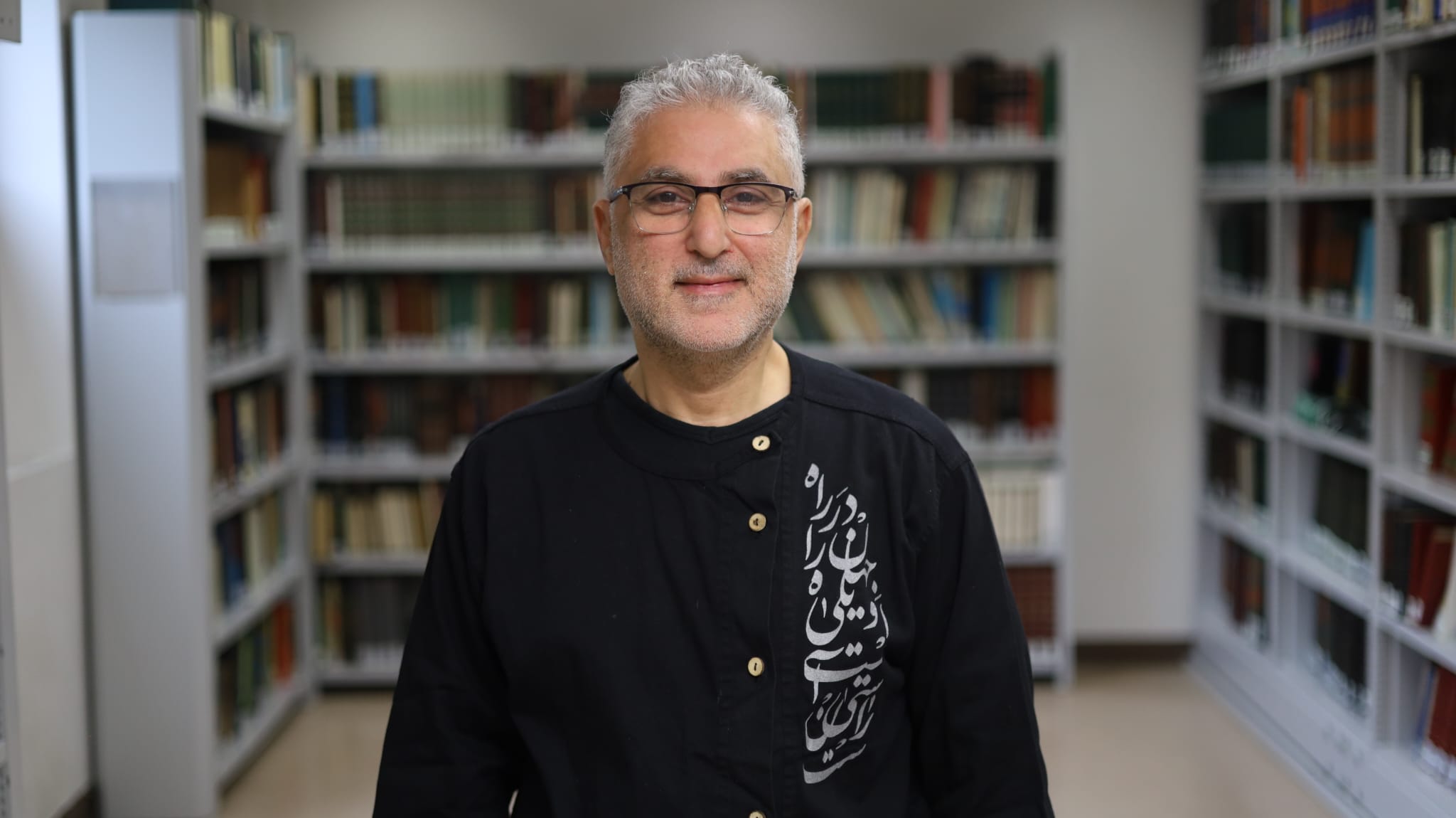 Sari Hanafi is currently a Professor of Sociology, Director of the Center for Arab and Middle Eastern Studies and Chair of the Islamic Studies program at the American University of Beirut. He was the President of the International Sociological Association (2018-2023). He was also the editor of Idafat: the Arab Journal of Sociology (Arabic) (2017-2022). Recently he created the Portal for Social Impact of Scientific Research in/on the Arab World (Athar). He was the Vice President of the board of the Arab Council of Social Science (2015-2016). He holds a Ph.D. in Sociology from the Ecole des Hautes Etudes en Sciences Sociales-Paris (School for Advanced Studies in the Social Sciences) (1994). He is the author of numerous journal articles and book chapters on the sociology of religion; connection of moral philosophy to the social sciences; the sociology of (forced) migration applied to the Palestinian refugees; politics of scientific research. Among his recent books are: Studying Islam in the Arab World: The Rupture Between Religion and the Social Sciences (2024 in Routledge); Knowledge Production in the Arab World: The Impossible Promise (with R. Arvanitis) ; The Oxford Handbook of the Sociology of the Middle East (co-edited with A. Salvatore and K. Obuse). He is the winner of 2014 Abdelhamid Shouman Award and 2015 Kuwait Award for social science. In 2019, he was awarded an Honorary Doctorate (Doctor Honoris Causa) form the National University of San Marcos (the first and the leading university in Lima- Peru – established in 1551). In 2022 he became International fellow of the British Academy. His forthcoming book Against Symbolic liberalism: A plea for dialogical sociology (Liverpool Univ. Press). His website.
SCRG happily invites you to the third seminar in a new season of our series on academic (semi)peripheries. Our featured speaker will be Tomás Koch, who will give a talk entitled: Science and Politics in the (Semi-)Periphery Reflections on Chilean Nation-State Imaginaries of Science and their effects on scholarship.
Thursday, 29th of May 2025 at 14:00 CET
Abstract:
Conducting scientific research in the (semi-)periphery presents a complex set of challenges—not only due to limited resources, but also because of a strong dependence on transnational standards and shifting global dynamics. Drawing on diverse data sources, this presentation explores the historical and contemporary trajectories of science in Chile as a semi-peripheral context. Special attention is given to the types of knowledge prioritized by the Nation-State and the tensions that arise between political and scientific rationalities. Ultimately, the analysis reveals a fluctuating valuation of science by the State, which is reflected in scholarly production. These dynamics are examined within the broader framework of Chile’s (semi-)peripheral position in the global scientific landscape.
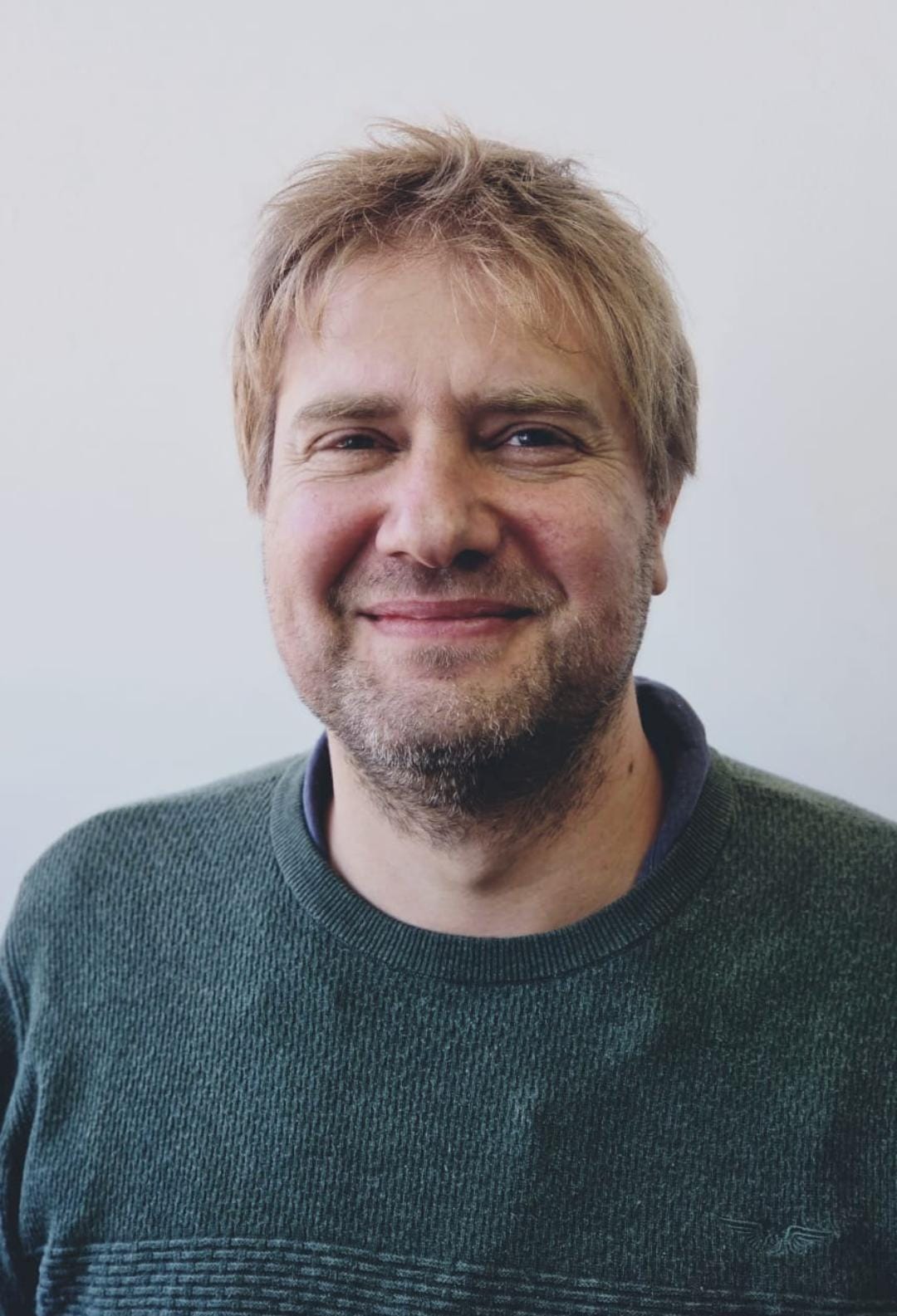 Tomás Koch, PhD is a sociologist from Universidad Central de Chile. He holds a Master’s degree in Education, with a specialization in Educational Policies, from Universidad Austral, and a Ph.D. in Sociology from Ghent University (Universiteit Gent), Belgium. He is currently a faculty member in the Department of Mediations and Subjectivities at the Faculty of Social Sciences, Universidad de Playa Ancha, where he coordinates the research line on Social Appropriation of Knowledge.
He teaches in the undergraduate Sociology program and the Ph.D. program in Social Sciences at the same institution, where he is part of the research line Production of Situated Knowledge and Participatory and Collaborative Methodologies. He is also the principal investigator of the Fondecyt Initiation project Revisiting the Relationship between Politics and Science: A Sociological Perspective on the Trajectories, Effects, and Tensions of Chilean Science Policy.
His research interests focus on the sociology of knowledge and higher education studies. Within these fields, he has conducted research and published on inter- and transdisciplinary work processes in Chilean universities, accreditation mechanisms, the production and circulation of scientific knowledge, and science policy, among other topics.
SCRG happily invites you to the second seminar in a new season of our series on academic (semi)peripheries. Our featured speaker will be Aliya Kuzhabekova, who will give a talk entitled: In the Shadow of Giants: Marginalization and Agency of Kazakhstan’s Scholars in a Shifting Geopolitical Landscape.
Thursday, 15th of May 2025 at 16:00 CET
Abstract:
Despite the passage of three decades after gaining independence from the Soviet Union, Kazakhstan remains a periphery in the global system of knowledge production. While the state has pursued an impressive array of higher education and research reforms—mobilizing its natural resource wealth to position itself as an emerging regional leader in human capital development, research output, and economic growth —these efforts remain constrained by the enduring structures of coloniality. This presentation critically examines how Kazakhstan’s scholarly community and research structures continue to be shaped by intersecting forms of epistemic dependency on Russian, Western, and increasingly Chinese systems. It also explores how these overlapping hegemonies reproduce marginalization, while also opening spaces for strategic agency through negotiation, translation, and appropriation within competing colonial assemblages.
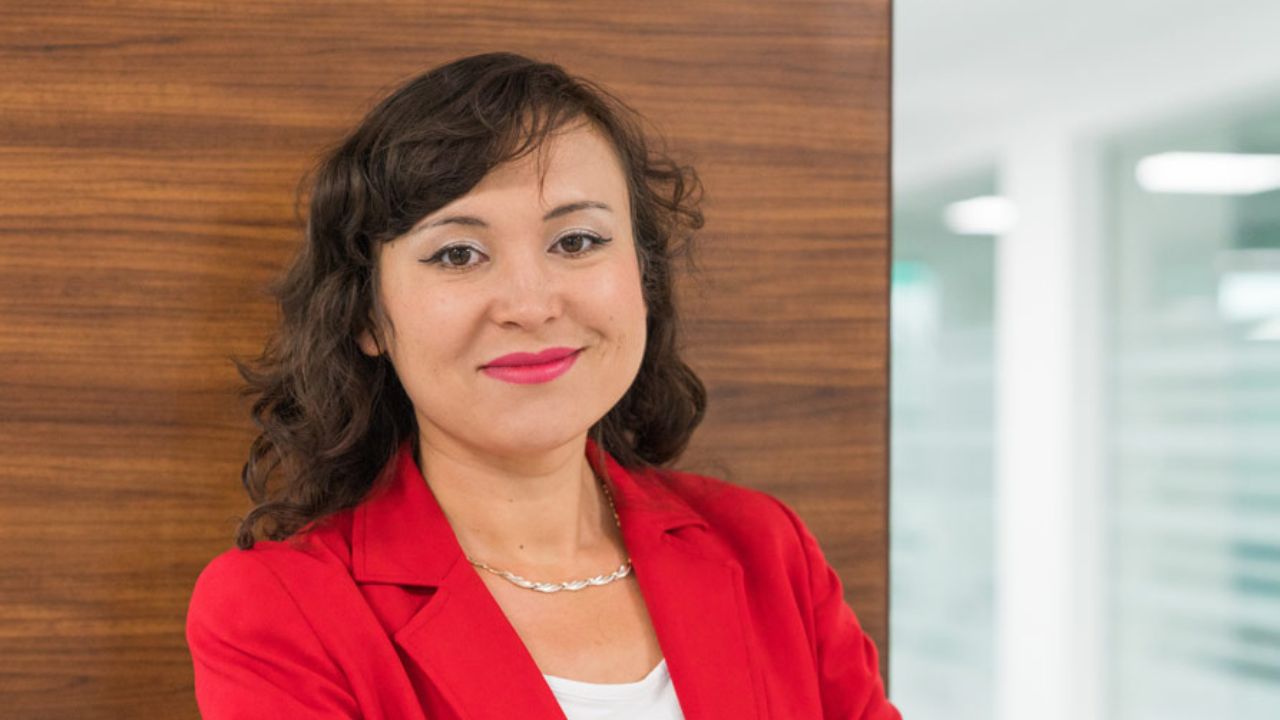 Aliya Kuzhabekova, PhD is an Assistant Professor at the Werklund School of Education, University of Calgary. Aliya holds a Ph.D. in Higher Education Policy from the University of Minnesota (UofM). Prior to her current appointment, Aliya worked as an Associate Professor at Nazarbayev University, Kazakhstan and a Postdoc at the Center for Science and Technology Policy, UofM. Aliya’s research interests are in the field of international and comparative higher education. Her work is focused on understanding the process of research capacity building in emerging economies and scholarly identity development of doctoral students, internationalization, and international mobility, as well as equity issues in higher education, including the advancement of women in STEM fields. She was awarded 10 research grants by the Social Sciences and Research Council of Canada, Ministry of Education and Science of Kazakhstan and the Norwegian Institute for International Affairs. Aliya is a member of the Editorial and Advisory Boards of several journals, including European Education, Journal of Comparative and International Higher Education, and Studies in Graduate and Postdoctoral Education. She has served as a Senior Co-Chair of the Europe and Central Asia Special Interest Group of the Comparative and International Education Society and a Board member of CSSHE, having contributed as a Co-Chair of the 2025 Awards Committee. She is also a current Co-Chair of the Higher Education SIG of CIES. Aliya is committed to contributing to further strengthening of CSSHE including via building connections with other scholarly societies abroad, such as Higher Education SIG of CIES.
SCRG is happy to launch a new season of our seminar series on academic (semi)peripheries under the title: Global Knowledge Production and Academic (Semi)Peripheries. The first seminar in this year’s series will take a distinctive form. We will outline the theoretical premises that guide the programme and identify the contextual threads to which we plan to return in later discussions. At the same time, we wish to anchor our reflections—particularly those developed by the Scholarly Communication Research Group members—in the historical trajectory of science in the Global East. As our initial reference point we will consider the paradoxes exposed by Poland’s transition from a socialist to a capitalist research system: a journey, in effect, from one periphery to another. Our featured speaker will be Jakub Krzeski, who will provide a talk entitled: Excellence and ‘Shock Therapy’ on the Academic Periphery: The Polish Committee for Scientific Research. Dr hab. Krystian Szadkowski will introduce the seminar series connect it with the paper’s problematics, and dr Ivan Kislenko will provide a systematic summary and rejoinder to the discussion.
Thursday, 8th of May 2025 at 14:00 CET
Abstract:
Poland’s shift to a capitalist organisation of science in the early 1990s coincided with the structural adjustment of the economy, severe austerity policies—popularly dubbed “shock therapy”—and integration into new economic and scientific centres. A central actor in this process was the Committee for Scientific Research: an unusual body whose chair held ministerial rank while most members were elected by the academic staff of public universities. The committee set science policy, allocated funding, design and oversaw evaluation. Drawing on archival sources, a journals corpus, and parliamentary‑committee transcripts, I trace the emergence and consolidation of a distinctive discourse of scientific excellence during Poland’s transformation. By mapping its contours and showing how it aligned with “shock‑therapy” dynamics, I reveal the discourse’s specific features, internal tensions, and the constraints that still limit the modernisation and development of the Polish research sector.
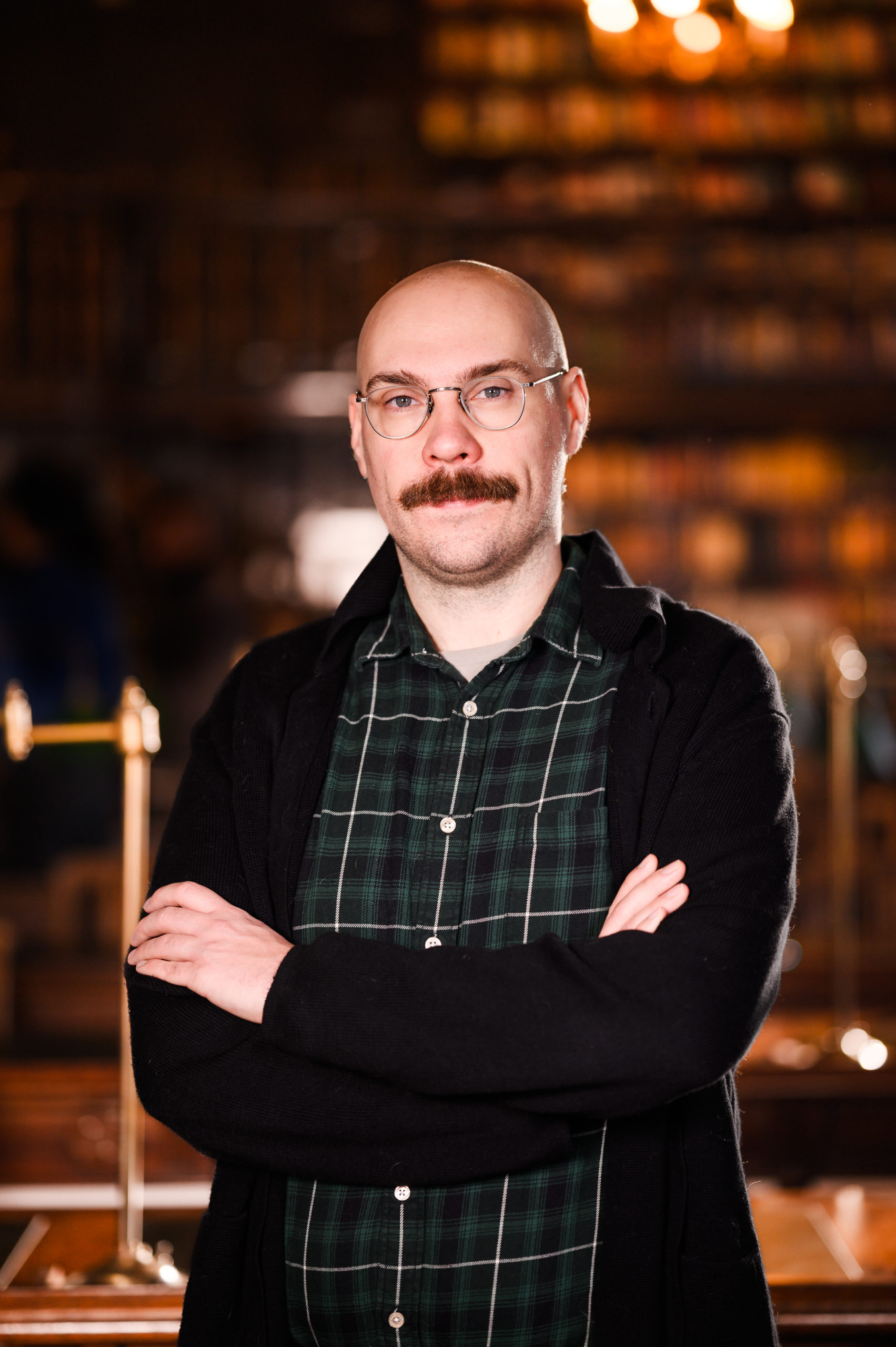 Dr. Jakub Krzeski is an assistant professor at the Department of Philosophy and Social Sciences of Nicolaus Copernicus University and researcher at the Scholarly Communication Research Group. Member of Philosophy and Theory of Higher Education Society. He received his degree in 2021 defending his dissertation A philosophical account of metrological conflict in the field of science evaluation at the Faculty of Philosophy, Adam Mickiewicz University. His research interests focus on the social theory of quantification, critical theory and political ontology. Currently carrying out a research project entitled Struggles over measures: The case study of research evaluation in biology in Poland in the 1990–2020 period funded by the National Science Centre. Together with Krystian Szadkowski, he recently published A Marxist Critique of the Ruined University in the series Debating Higher Education: Philosophical Perspectives. He is currently studying the historical emergence of the evaluative state in Poland and the impact of research evaluation systems on predatory publishing. His research has been published in Historical Materialism, Social Epistemology, and Research Evaluation, among others.
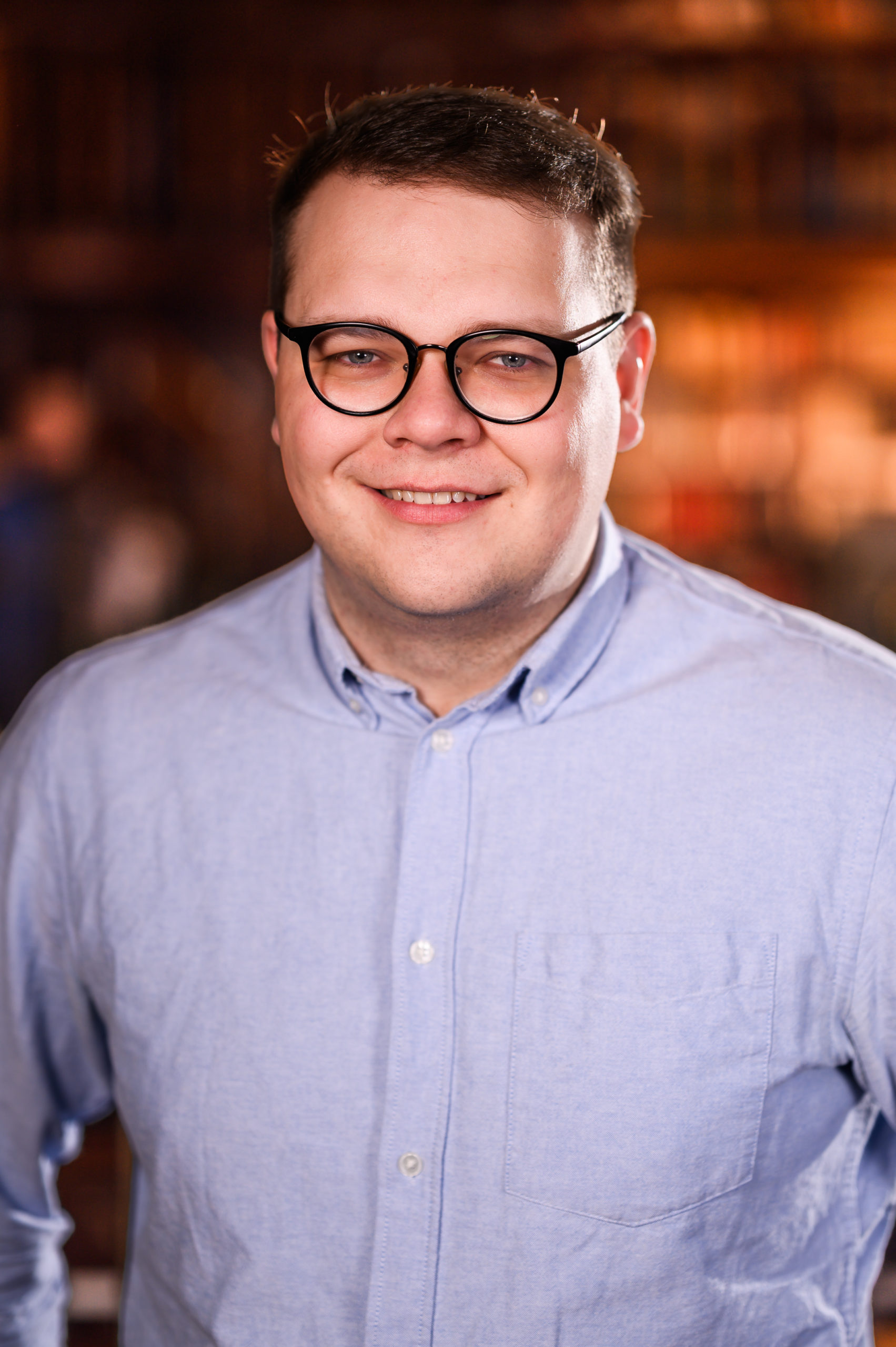 Dr. Ivan Kislenko s a postdoctoral fellow at the Scholarly Communication Research Group employed in the project Investigating the Relationship between Science Diplomacy and Global DGT: The Role of Inclusive Metascience Observatories (IMSO4DIPLO). He defended his doctoral dissertation, The Idea of Global Sociology in the International Sociological Agenda: Unity and Diversity of Interpretations, and obtained a double PhD degree in Sociology from Higher School of Economics (Russia) and Ghent University (Belgium) in 2022. Ivan Kislenko was a research assistant at the Centre for Fundamental Sociology (Higher School of Economics), visiting researcher at the Centre for Social Theory (Ghent University) and was awarded with the Fulbright Research Fellowship to work at George Mason University (USA). He was also a visiting postdoctoral fellow at the University of Graz (Austria), Lund University (Sweden), Slovak Academy of Sciences (Slovakia) and Ludwig-Maximilian University of Munich (Germany). His research interests are global social theory, studies of social sciences and humanities (SSSH) as well as sociology of sociology, education and science.
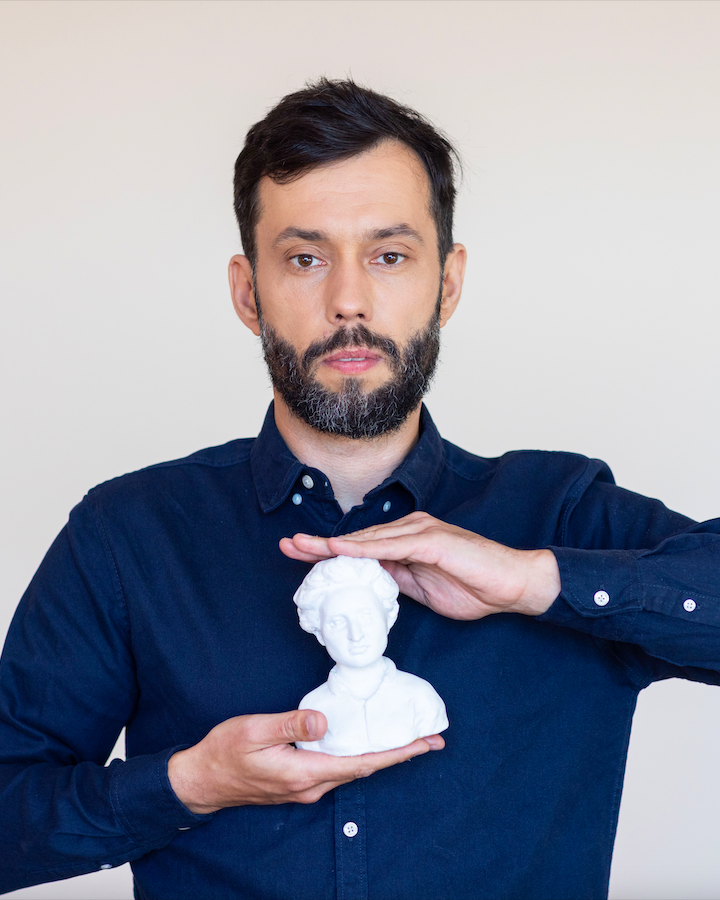 Dr. hab. Krystian Szadkowski is is a senior researcher at Faculty of Philosophy, Adam Mickiewicz University, Poznań, Poland. He works at Scholarly Communication Research Group. Recently he published Capital in Higher Education. A Critique of the Political Economy of the Sector (2023), A Marxist Critique of the Ruined University (2025) (with Jakub Krzeski) and together with Richard Hall and Inny Accioly, The Palgrave International Handbook of Marxism and Education (2023). He leads a multi-year research project on Origins and development of peripheral academic capitalism in Poland (1990-2021) funded by National Science Centre (Poland) [link], and a project on the consequences of the ‘shock therapy’ for science and higher education funded by Polish Ministry of Science and Higher Education.